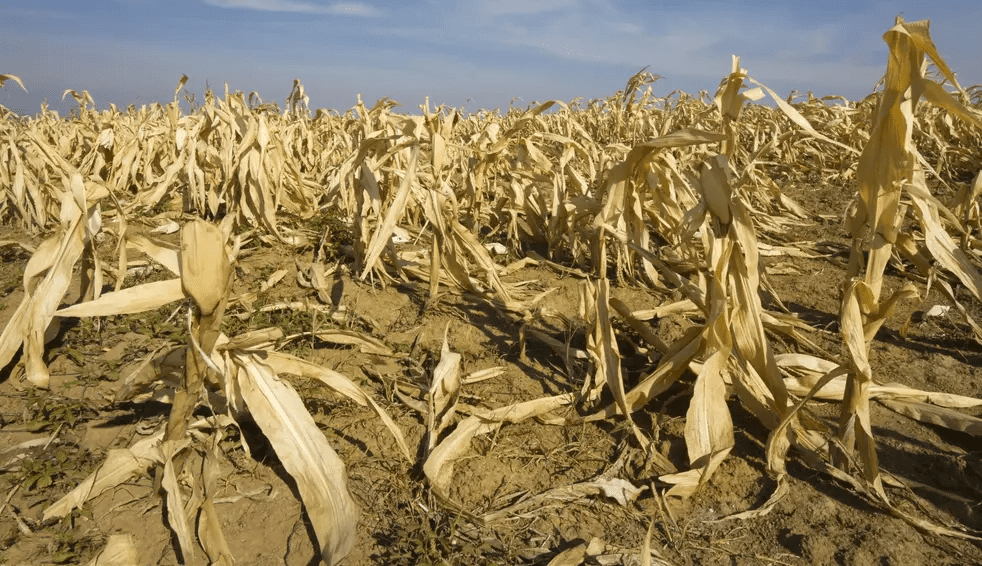
Climate change is causing destructive changes all over the world and while the consequences of the changing climate affect everyone, the people who did not create the crisis are disproportionately affected by it – particularly rural communities in underdeveloped countries.
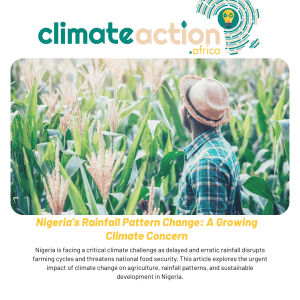
The climate crisis for these people means changing rainfall patterns, heat waves, increased risk of flooding, and intensified and prolonged drought periods affecting their livelihoods and causing widespread scarcity of food and water.
Indeed, the climate crisis is challenging Africa’s local food systems which is what sustains the continent today and drives its economies, with the majority of the population making its living from food-related activities.
The effect of the climate crisis on these systems is expected to increase if global greenhouse gas emissions in other parts of the world are not drastically cut down.
To cope with climate change, especially during extreme weather events like floods and droughts, food producers will have to continue to adapt their practices while local markets will have to integrate emergency reserves and other measures to ensure people’s access to food and livelihoods.
Protecting Africa’s food systems from climate change should, first and foremost, entail cutting global greenhouse gas emissions, especially as the continent contributes less than 4% of global emissions. This is because the industrial food system is associated with up to half of all global emissions, and is the leading cause of species collapse, deforestation, and habitat destruction worldwide.
This will also require approaches to adaptation that support do not only support food systems but are led by Africa’s small-scale food producers. It will also need a deeply-rooted and robust reorientation of public policy by African governments.
Beyond governmental action, these small-scale food producers need to urgently come together, and with the support of movements for climate justice, build and implement a vision for how to respond to the food crisis that Africa faces and tackle the climate crisis.
Such interconnected actions are immediately required to break Africa’s dependence on food imports, advance food sovereignty and, in so doing, effectively deal with the climate crisis.